Triana
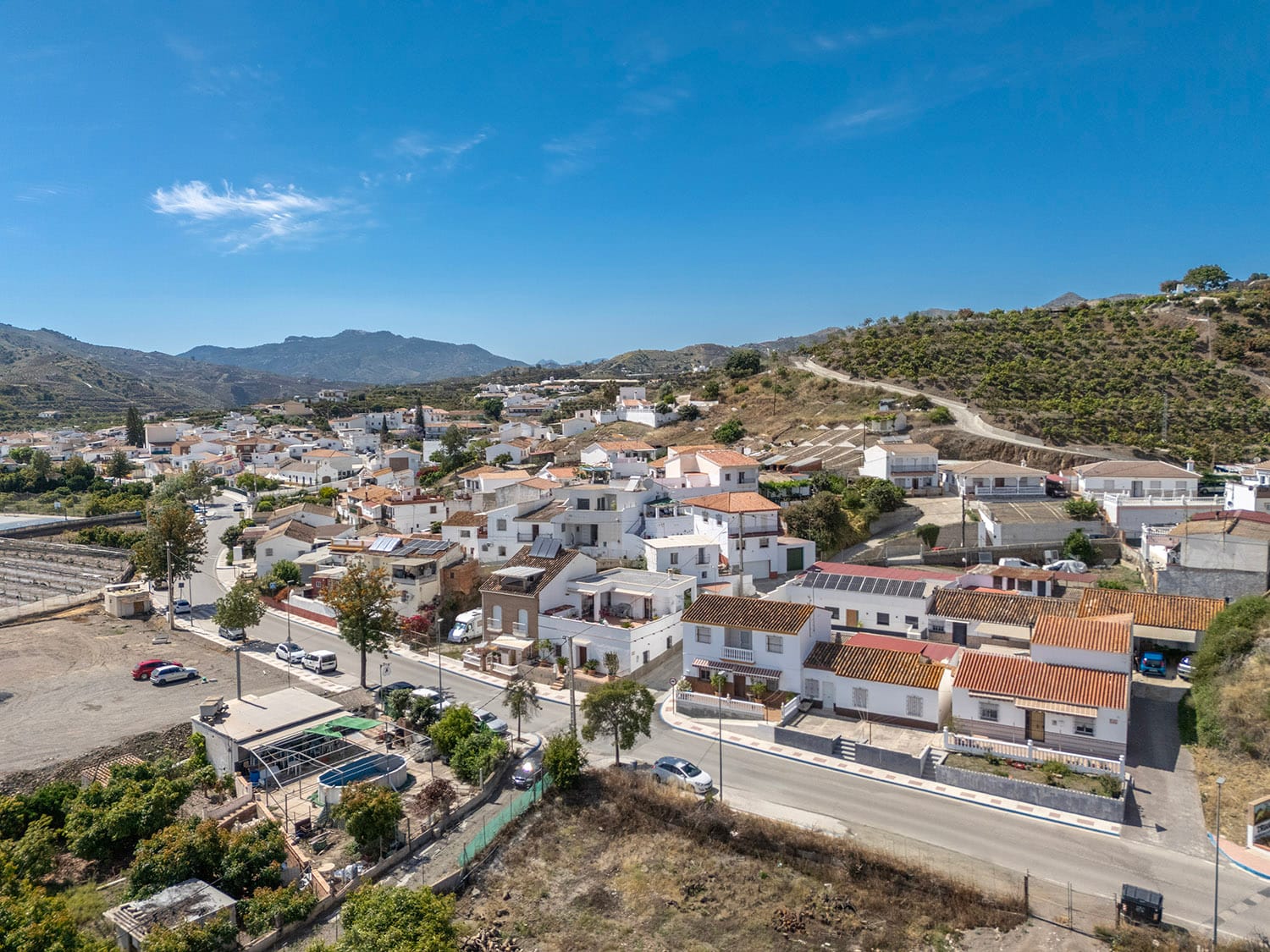
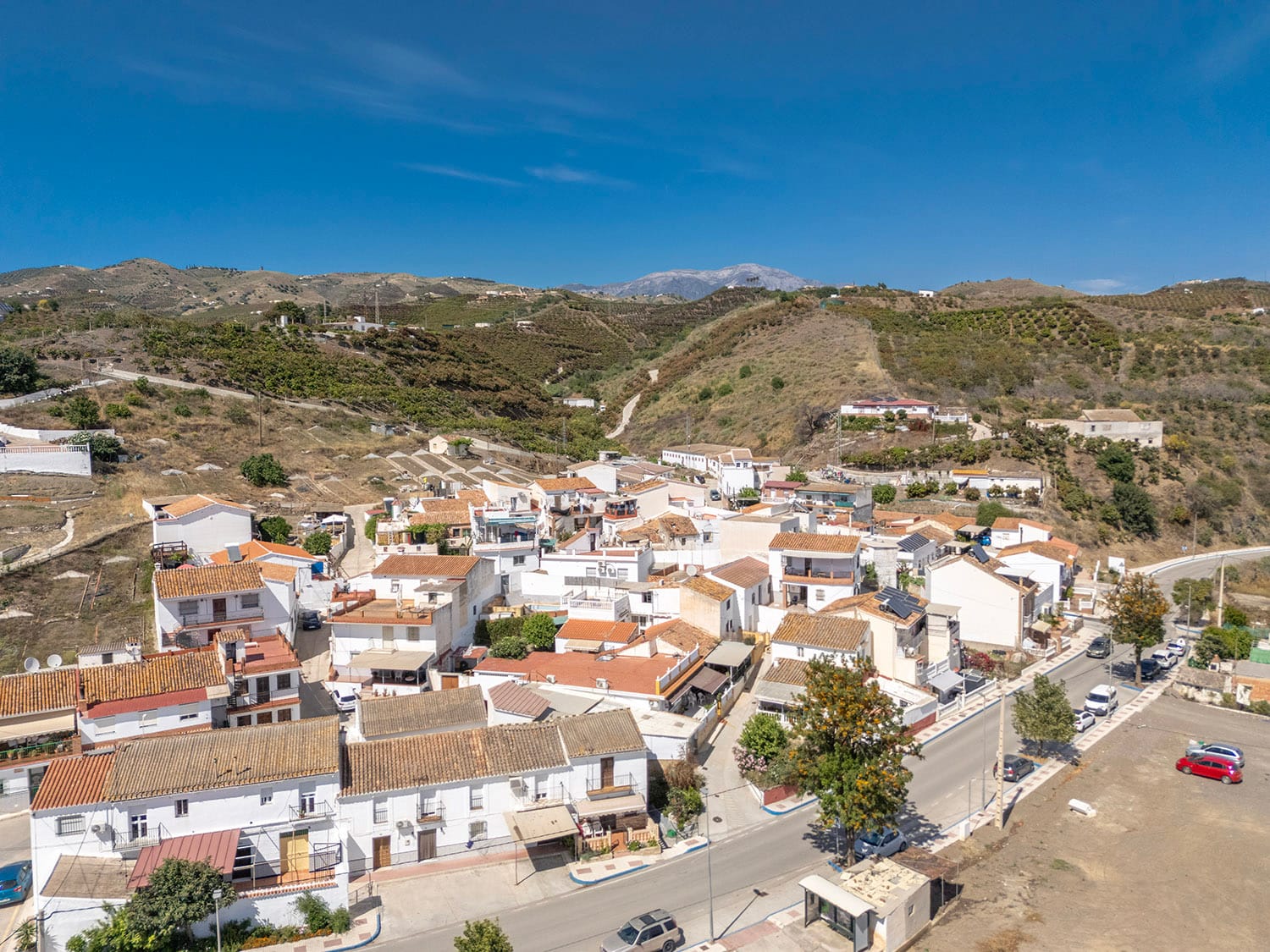
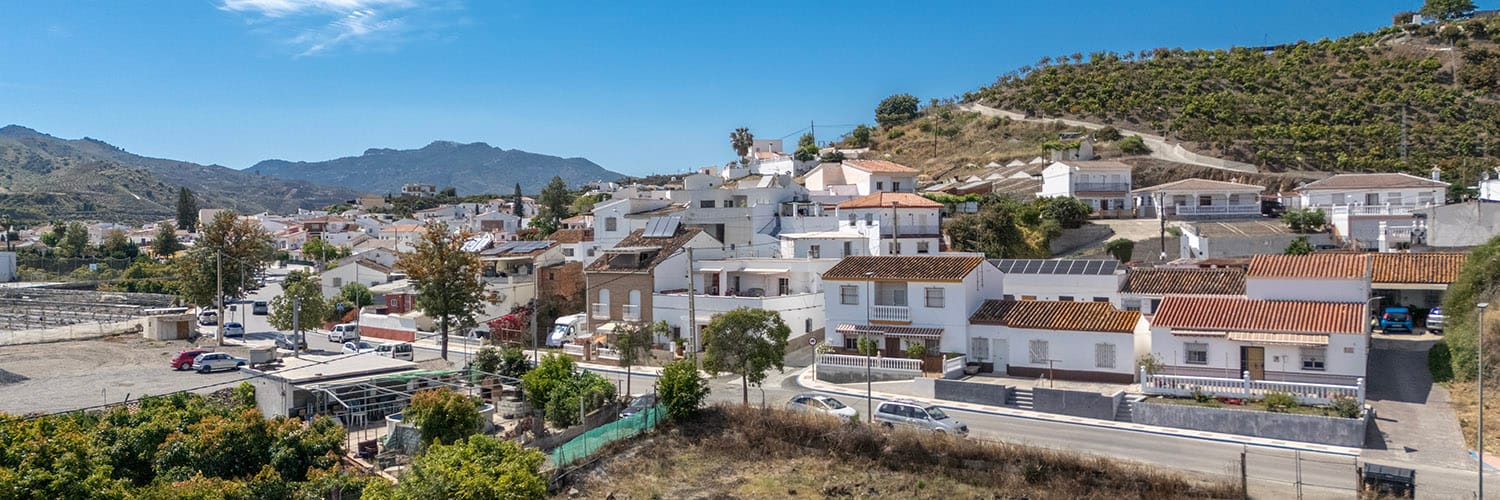
Set inland from Vélez-Málaga, beyond Trapiche and on the road towards Benamargosa, Triana is one of the more rural localities of the Vélez-Málaga municipality. It is not a town in its own right, and it is not a coastal settlement, but it has a clear identity within the East of Málaga region: agricultural, practical, local and closely connected to the changing landscape of the Axarquía.
Triana sits in the interior of the municipality, surrounded by hills, orchards, subtropical crops and the rural routes that link Vélez-Málaga with the upper Axarquía. It is often associated with the idea of being in the heart of the Axarquía, and that makes sense geographically as well as culturally. From here, you are not far from Vélez-Málaga, Trapiche, Benamargosa, La Viñuela, Cútar, Benamocarra and the wider inland network of villages.
For people looking at the East of Málaga as somewhere to live, Triana offers a particular kind of lifestyle: quieter than Vélez-Málaga, more rural than the coast, less isolated than the high mountain villages, and strongly shaped by agriculture, local community and the roads that connect the inland valley.
The Locality and Its Setting
Triana is a small inland locality with a traditional Andalusian village feel. It is not built around tourism, and it does not have the polished white-village image of places such as Frigiliana or Cómpeta. Its character is more practical and agricultural, with houses, local facilities, rural roads and farmland forming the everyday picture.
The surrounding landscape has changed over time. Historically, this area was associated with moscatel grapes, sugar cane and other traditional crops. Today, like much of the lower Axarquía, it has been strongly influenced by subtropical agriculture, especially avocados and mangoes. This gives the countryside around Triana a greener, more cultivated feel than some of the drier, higher villages further inland.
The position is also important. Triana sits close to the road linking the Carretera del Arco area with Benamargosa, making it part of the inland route between Vélez-Málaga and the villages beyond. It is a place people pass through, stop in, live in, farm around and use as a reference point when moving through this central part of the Axarquía.
Local Life and Amenities
Triana is small, but it has more local presence than some hamlets of similar size. It has a Tenencia de Alcaldía, or local municipal office, serving Triana and the surrounding area, as well as a Casa de Cultura, community spaces and local services. These help give the locality a stronger identity than a purely scattered rural settlement.
For wider shopping, healthcare, schools, administrative services, restaurants and professional needs, residents will generally use Vélez-Málaga, Torre del Mar or other nearby towns. This is one of Triana’s practical advantages: it offers a rural setting while remaining close enough to the main town of the Axarquía for everyday life to be manageable.
A car is strongly recommended. Although Triana is much more accessible than many isolated campo areas, it is not somewhere most people would choose for a car-free lifestyle. For shopping, appointments, work, the coast and neighbouring villages, private transport makes life much easier.
Sports and Community Facilities
One of Triana’s notable practical advantages is its sports complex. The Complejo Deportivo de Triana includes an outdoor swimming pool and multi-use sports facilities, giving the locality a level of sports provision that many small inland settlements do not have.
This matters for families, children, summer life and general community activity. A small village or locality with its own pool and sports space feels different from one where every activity requires a trip into Vélez-Málaga or Torre del Mar. The facilities also help anchor Triana as a local centre for the surrounding rural population.
The sports complex is seasonal in part, particularly the pool, but its presence is still important. For anyone looking at Triana as a place to live, it is one of the features that makes the locality more practical and more community-focused than its size might suggest.
Agriculture and Subtropical Crops
Agriculture is central to understanding Triana. This is not a purely residential village, and it is not a tourist resort. The land around it is productive and has been shaped by generations of farming.
The shift from older crops such as moscatel grapes and sugar cane towards avocados and mangoes tells part of the modern story of the Axarquía. The area around Triana is now part of the subtropical belt that has transformed much of the lower and middle Axarquía landscape. The result is a greener, more intensively cultivated countryside than visitors might expect if they only know the drier mountain villages.
This agricultural setting gives Triana its working character. It is a place of orchards, irrigation, rural roads, smallholdings, farm vehicles, local families and changing crops. For some people, that will feel less picturesque than a dramatic hilltop village. For others, it will feel more authentic and more useful.
Lifestyle and Community
Life in Triana is likely to suit people who want a quiet inland base without being too far from services. It may appeal to families, retirees, remote workers, agricultural workers, people with animals, and those who want a more local Spanish environment rather than a large international community.
The atmosphere is rural and village-based. Triana is not the obvious choice for nightlife, beach life or a large choice of restaurants within walking distance. It is better suited to people who value peace, space, community facilities and access to both Vélez-Málaga and the inland villages.
As with many smaller localities, Spanish is useful and often necessary for getting the most out of daily life. Triana is not an international enclave. It is a working local community, and that is part of its appeal.
Events and Local Culture
Triana has its own local social life, with cultural and festive events organised through the community and the wider Vélez-Málaga municipality. Events such as summer evenings, music, dance, local gatherings and cultural activities help bring people together and give the locality more life than visitors might expect from a quick drive-through.
The Casa de Cultura and municipal presence are important here. In a small place, these buildings are not just administrative details. They provide a focus for local activity, meetings, events and community identity.
Triana is not a major tourist destination, but it does have local pride. That pride is visible in the way the village presents itself, in its public spaces, and in the idea of Triana as part of the heart of the Axarquía.
Property and Real Estate
Property in and around Triana is likely to interest buyers looking for a rural inland setting with good access to Vélez-Málaga. Options may include village houses, small rural homes, fincas, houses with land, and properties surrounded by subtropical crops or open countryside.
As always in the Axarquía, exact location matters enormously. A home in the village itself will offer a different lifestyle from a property down a rural track or among agricultural land. Buyers should check access, legal status, water, electricity, internet, drainage, irrigation rights where relevant, road condition, boundaries, parking and distance from services.
Triana may particularly suit buyers who want land or a quieter setting but do not want to be high in the mountains or far from the main services of Vélez-Málaga.
Why Choose Triana?
Triana is a good choice for people who want a practical rural base in the central Axarquía. It offers agricultural surroundings, local facilities, a sports complex, community life, access to Vélez-Málaga, and routes towards Benamargosa, La Viñuela and the inland villages.
It is not a beach town, a famous tourist village or a dramatic mountain settlement. Its appeal is quieter and more grounded.
For the right person, Triana offers something very useful: a small, local, agricultural community close to the working heart of the Axarquía, with enough facilities to feel lived-in and enough countryside to feel properly rural.
All Triana Pages
Overview
Reasons to Live Here
Property at a Glance
Local Highlights
Schools, Healthcare and Transport
Local Fiestas and Events
Stay, Eat and Drink
Sports and Outdoor Activities
Business and Economy
Further info about Triana.