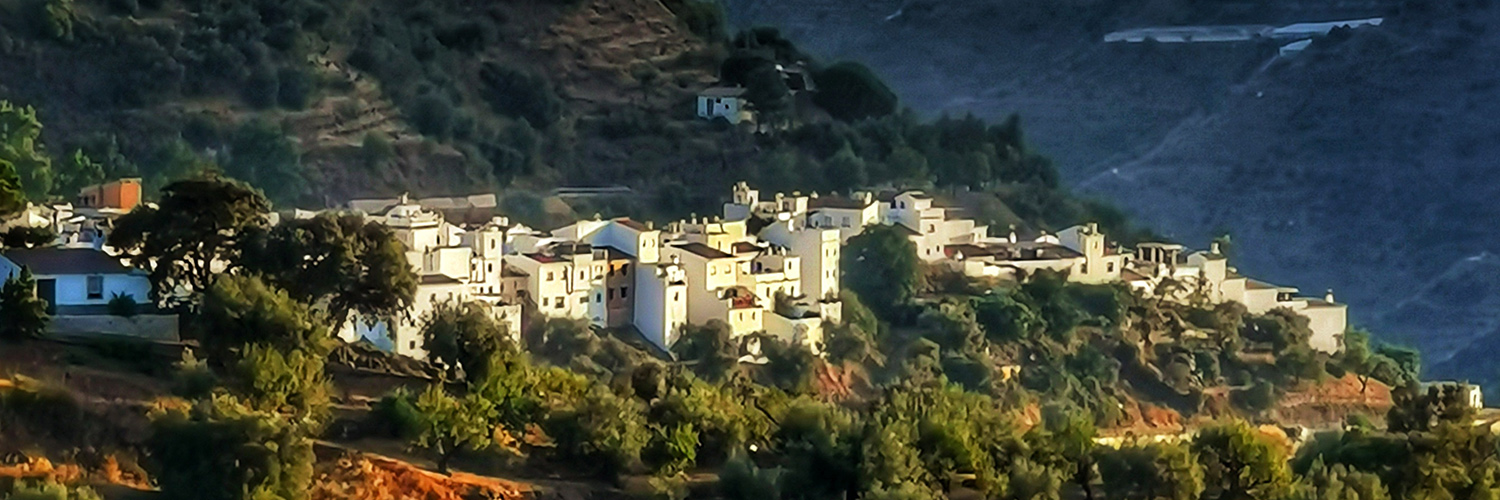
Sayalonga
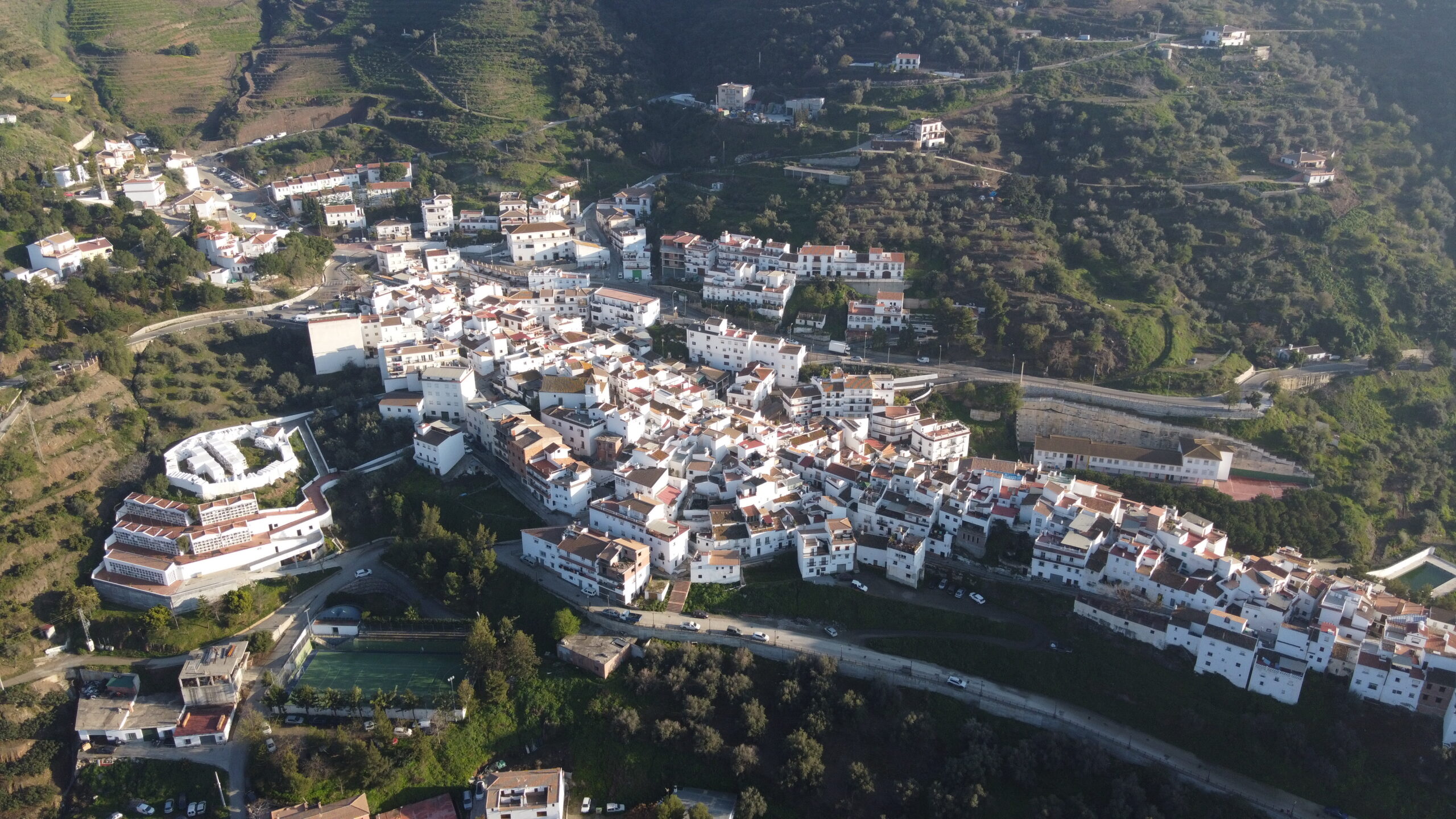
Perched at an elevation of approximately 359 metres above sea level, Sayalonga is a picturesque village in the Axarquía region of Andalusia. Covering an area of about 18 square kilometres, it is situated roughly 9 kilometres inland from the Costa del Sol, offering residents and visitors a serene rural atmosphere with convenient access to the coast. The village is around 44 kilometres east of Málaga and 12 kilometres from Vélez-Málaga, making it well-placed for those who want to experience the tranquillity of inland living while staying connected to larger urban centres.
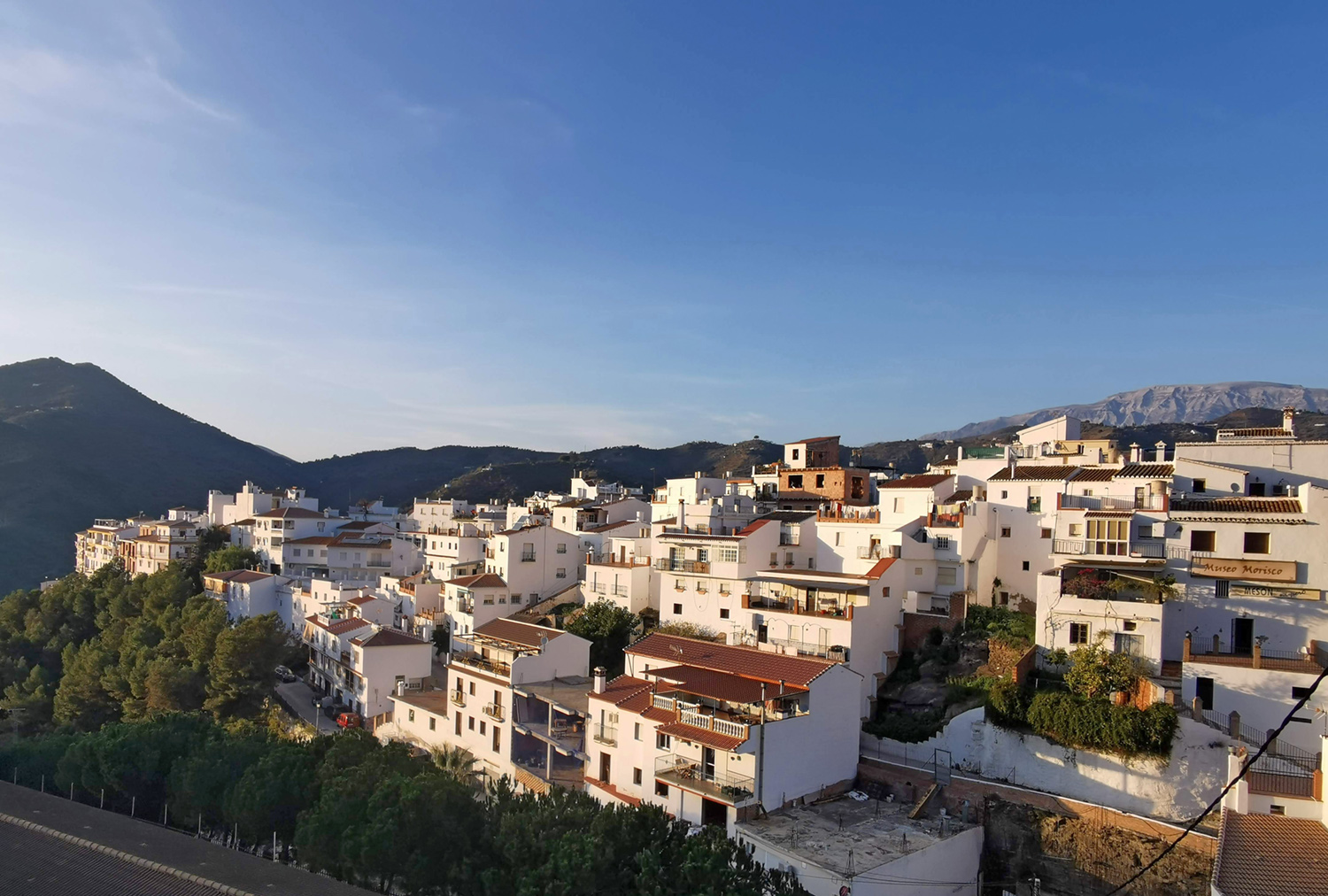
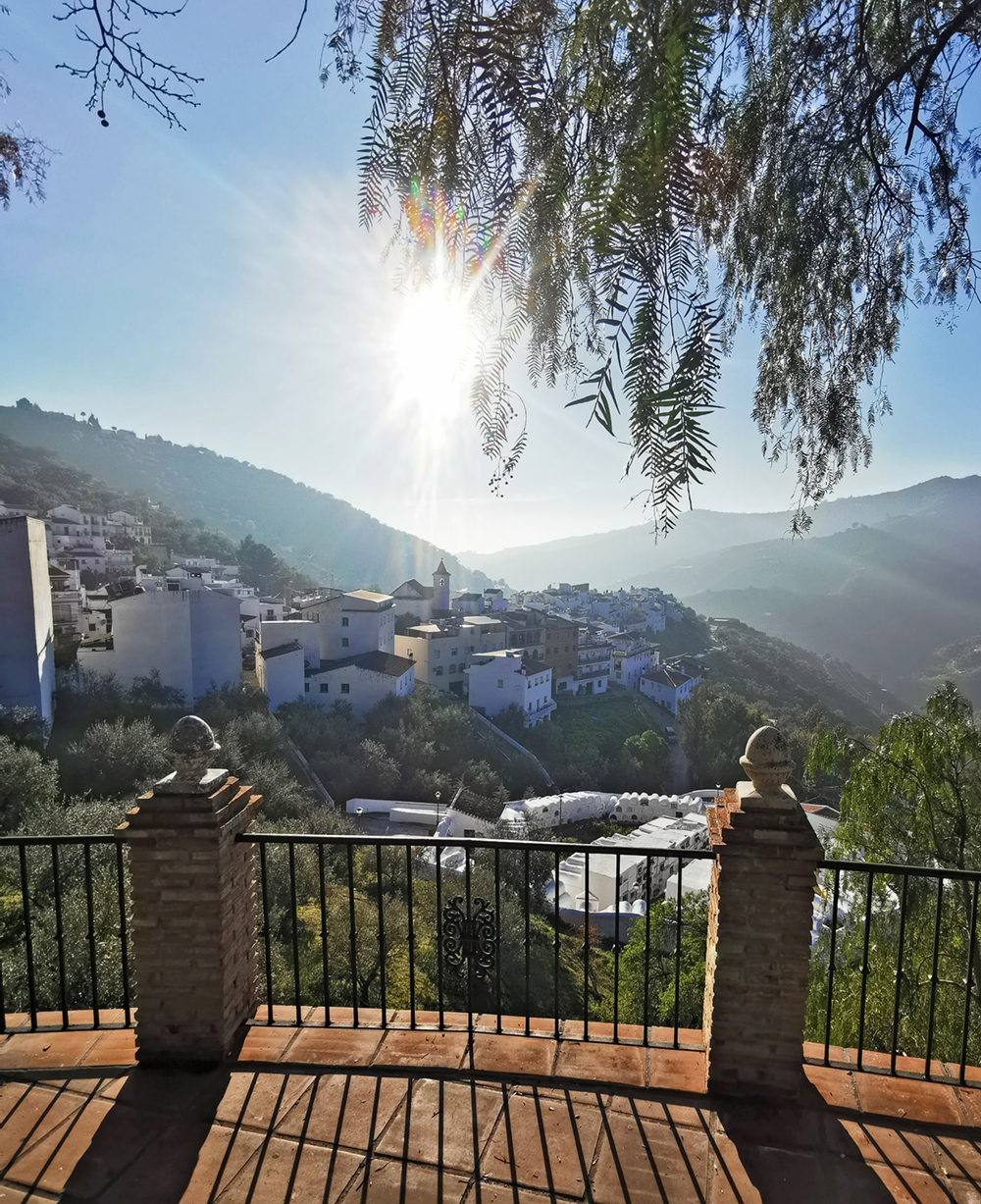
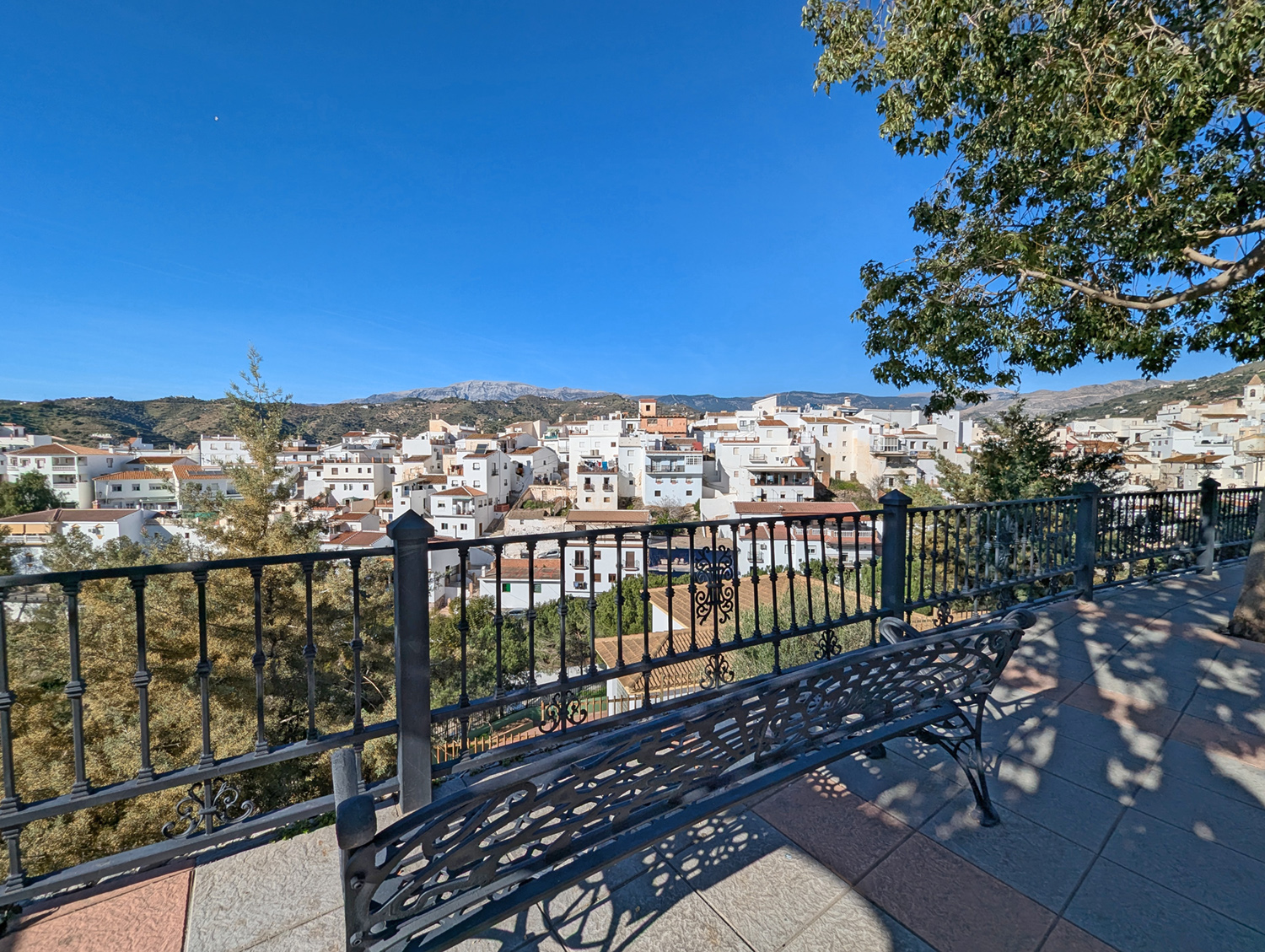
Sayalonga’s history is deeply rooted in its Moorish past, evident in its labyrinthine streets designed to provide shade during the hot Andalusian summers. The village’s name is believed to derive from the Arabic “Sayalonga,” meaning “long skirt,” possibly referring to its elongated shape along the hillside. The traditional whitewashed houses, adorned with vibrant flowers, contribute to its quintessential Andalusian charm, making it a particularly scenic pueblo blanco.
A notable landmark in the village is the Cementerio Redondo, one of the few circular cemeteries in Spain. Its origins remain a subject of local lore, with various theories about why it was built in this unusual shape. The Fuente del Cid, a historic fountain, is linked to the legend of El Cid, the famed Castilian nobleman and military leader, adding another layer of history to the village. The Ermita de San Cayetano, a 16th-century hermitage located on the outskirts of Sayalonga, also provides a glimpse into the area’s religious heritage.
Agriculture has long been the backbone of the local economy, with the surrounding olive groves, almond trees, and vineyards shaping the landscape. In recent decades, the cultivation of tropical fruits, particularly nísperos (loquats), has grown in significance. This is celebrated each year with the Día del Níspero (Loquat Day) in early May. Visitors can sample a variety of loquat-based products, enjoy live music, and take part in traditional festivities that reflect Sayalonga’s agricultural importance.
In recent years, Sayalonga has also become a multicultural village, attracting a significant number of international residents. As of 2021, foreigners made up approximately 45% of the population, highlighting the village’s appeal to those seeking a peaceful lifestyle in the Andalusian hills. While the majority of these newcomers are from northern Europe, particularly the UK, Germany, and the Netherlands, there is also a growing presence of other nationalities. This international mix has brought a blend of cultures to Sayalonga, influencing local businesses, cuisine, and community life.
The village’s festival calendar is filled with celebrations that showcase its deep-rooted traditions. In addition to the Día del Níspero, the Feria de Sayalonga, held in July, brings several days of music, dance, and food, while the Romería de San Pedro, a pilgrimage in nearby Corumbela at the end of October, remains one of the most important religious events in the area. Semana Santa (Holy Week) is also marked with processions, as in many other Andalusian villages.
For those who love the outdoors, hiking is a popular activity, with numerous trails leading into the surrounding Sierras of Tejeda, Almijara, and Alhama. These walks offer spectacular panoramic views of the mountains and the Mediterranean. The nearby Río Sayalonga valley is another excellent location for birdwatching and enjoying the diverse local flora and fauna. The natural beauty of the region makes Sayalonga an appealing choice for those who appreciate scenic landscapes and outdoor adventures.
Despite its rural tranquillity, Sayalonga is well-connected to the coastal areas and larger towns. The A-7206 road links the village directly to the Autovía A-7, meaning the bustling coastal resorts of Torrox, Nerja, and Torre del Mar are all within easy reach. The city of Málaga, with its international airport, shopping centres, and cultural attractions, is just a 45-minute drive away, making travel convenient for both residents and visitors.
Sayalonga’s culinary traditions reflect the best of Andalusian home cooking, with local dishes such as migas (fried breadcrumbs with meat or fish), gazpacho (chilled tomato soup), and potaje de hinojos (fennel stew) commonly found in village homes and restaurants. The area also produces excellent olive oil and local wines, which can be enjoyed in the village’s bars and tapas eateries.
With its rich history, welcoming community, and stunning natural surroundings, Sayalonga is a village that perfectly balances traditional Andalusian charm with modern conveniences. Whether as a place to visit, a holiday retreat, or a permanent home, it offers a truly authentic experience of rural life in the Axarquía region.
All Sayalonga Pages
Overview
Reasons to Live Here
Property at a Glance
Local Highlights
Schools, Healthcare and Transport
Local Fiestas and Events
Stay, Eat and Drink
Sports and Outdoor Activities
Business and Economy
There are no active Facebook groups specialising in Sayalonga, however these two have many Sayalonga residents.
- Cómpeta Social (Facebook Group): A friendly social group for people who live or have a holiday home in Cómpeta or the surrounding villages, including Sayalonga.
- Cómpeta LifeStyle Community (Facebook Group): Focuses on special events, fiestas, festivals, special offers, fairs, markets, and bank holiday events in and around Cómpeta, including Sayalonga.