
Canillas de Aceituno
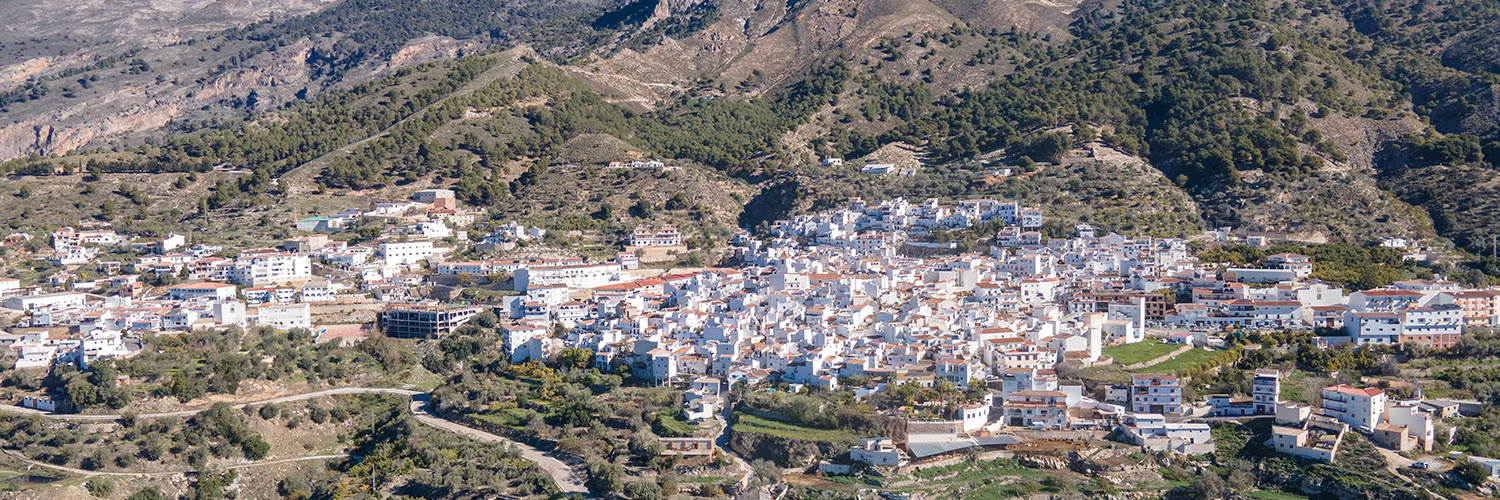
Canillas de Aceituno is a picturesque municipality nestled in the province of Málaga, within the autonomous community of Andalusia in southern Spain. Situated approximately 61 kilometers from Málaga city, this charming village is perched at an elevation of 649 meters above sea level, offering breathtaking views of the surrounding landscapes.
Geographical Setting
The village is strategically positioned at the foothills of the Sierra de Tejeda, with the majestic La Maroma peak towering at 2,068 meters—the highest point in the province. This proximity to the Sierras of Tejeda, Almijara, and Alhama Natural Park makes Canillas de Aceituno a natural balcony of the Axarquía region. The area is characterized by a diverse landscape of olive groves, vineyards, almond, and fig trees, nourished by the Almanchares, Bermuza, and Rubite rivers. Natural springs such as La Gazuela and La Yedra further enhance the region’s lush environment.
Historical Background
The origins of Canillas de Aceituno trace back to Roman times, with initial settlements established to exploit local resources. The village’s name is derived from the Latin “Cannillae,” meaning “zone of cane plantations,” and the Arabic “Azeytuni,” referring to “woven and dyed silks.” This blend of cultural influences is evident in the village’s architecture and traditions. The narrow, whitewashed streets, Moorish arches, and flower-adorned corners reflect its rich Moorish heritage.
In the late 15th century, following the Reconquista, Canillas de Aceituno was incorporated into the estate of the Count of Cabra. The village endured significant hardship during the Andalusian earthquake on December 25, 1884, which resulted in the collapse of 15% of its houses and severe damage to 65% of the remaining structures. Despite these challenges, the resilient community rebuilt and preserved its historical essence.
Community and Lifestyle
Today, Canillas de Aceituno is home to around 1,761 residents, a close-knit community where traditional Andalusian life flourishes. The population is a mix of locals who have lived here for generations and a growing number of newcomers drawn to the area’s stunning scenery and tranquil pace of life. The village maintains a balanced demographic, with a blend of families, working-age adults, and retirees who have chosen to settle here for its peaceful charm.
The community is warm and welcoming, with a lively mix of Spanish nationals and expatriates from across Europe and beyond. Whether enjoying a morning coffee in the town square, shopping at the weekly market, or participating in local festivals, life here moves at a relaxed yet vibrant rhythm. While agriculture and construction remain the main economic activities, tourism and the appeal of rural Andalusian living continue to attract people looking for an authentic and serene lifestyle.
Cultural and Natural Attractions
Canillas de Aceituno offers a wealth of cultural and natural attractions. The 16th-century Iglesia Parroquial de Nuestra Señora del Rosario stands as a testament to the village’s historical and architectural heritage. The Casa de los Diezmos, also known as the Casa de la Reina Mora, adds to the list of notable landmarks. For nature enthusiasts, the proximity to the Sierra Tejeda National Park provides ample opportunities for hiking and exploring diverse landscapes. The village’s elevated position offers panoramic views, notably from the Mirador Blas Infante, overlooking the La Viñuela reservoir and extending towards the Mediterranean coast.
Local Cuisine and Festivals
The culinary scene in Canillas de Aceituno is rich and varied, featuring traditional Andalusian dishes. Local specialties include Tortillas de Bacalao (cod omelette), Olla de Coles (cabbage stew), Chivo al Horno (roast kid), and Gachas con Pescado (a type of cod soup). These dishes are often accompanied by locally produced sweet wines, reflecting the region’s agricultural heritage.
The village hosts several annual festivals that celebrate its cultural traditions. The Fiesta de la Morcilla, held on the last Sunday in April, honors the Virgen de la Cabeza and is popularly known as Black Pudding Day. Other notable festivities include the Fiesta de San Isidro on May 15th, the Fiesta de Nuestra Señora de la Cabeza during the second week of August, and the Fiesta de la Candelaria on September 9th. These events foster community spirit and attract visitors eager to experience authentic Andalusian culture.
Modern-Day Living
Today, Canillas de Aceituno offers a tranquil lifestyle, blending traditional charm with modern amenities. The village provides essential services and shops catering to daily needs, ensuring a comfortable living environment. With its serene setting, breathtaking landscapes, and strong sense of community, it remains an appealing destination for those seeking a peaceful retreat rich in history and natural beauty.
Canillas de Aceituno stands as a testament to Andalusia’s rich cultural tapestry, offering residents and visitors alike a harmonious blend of historical heritage, natural splendor, and a warm, welcoming community.
All Canilllas de Aceituno Pages
Overview
Reasons to Live Here
Property at a Glance
Local Highlights
Schools, Healthcare and Transport
Local Fiestas and Events
Stay, Eat and Drink
Sports and Outdoor Activities
Business and Economy