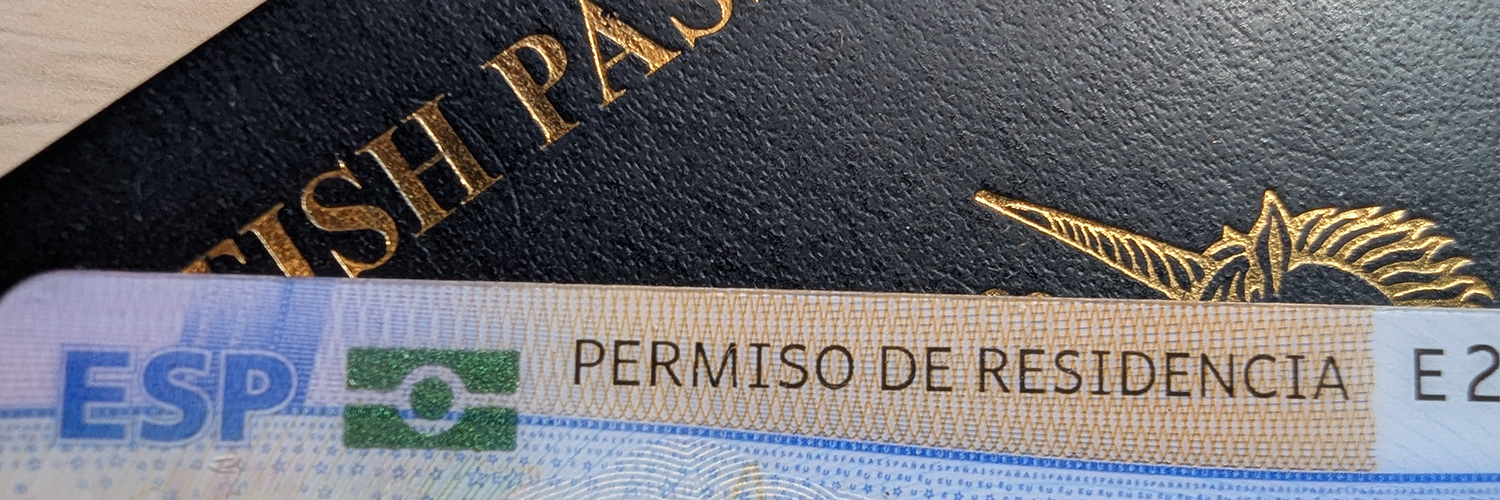
Relocating to the Axarquía: The Complete Step-by-Step Checklist
The Axarquía, with its stunning coastline, picturesque white villages, and relaxed Mediterranean lifestyle, is an increasingly popular destination for those looking to relocate. Whether you’re moving from within the EU or from further afield, planning ahead is essential to ensure a smooth transition.
This checklist covers everything you need to know, from visas and legal requirements to settling in and integrating into the local community.
1. Research & Planning
1.1 Visit the Axarquía Before Committing
Moving abroad is a big step, and no amount of online research can replace first-hand experience. Before making any decisions:
- Visit different towns and villages – Each area in the Axarquía has a distinct character. Coastal towns like Nerja and Torre del Mar are more tourist-oriented, whereas inland villages like Cómpeta or Canillas de Aceituno offer a quieter, traditional Andalusian lifestyle.
- Assess access to amenities – Consider proximity to supermarkets, healthcare facilities, schools, and transport links.
- Talk to locals and expats – Visit bars, cafés, and local businesses to get a feel for the community.
1.2 Understand Residency Rules
The process of moving to Spain depends on whether you hold an EU or non-EU passport.
- EU Citizens: Enjoy freedom of movement and can relocate without a visa. However, if staying longer than 90 days, you must register as a resident and obtain a Certificado de Registro de Ciudadano de la UE.
- Non-EU Citizens: Generally need a visa and residence permit before moving. The process differs based on the type of visa, financial situation, and purpose of relocation.
1.3 Assess the Cost of Living
The Axarquía offers a lower cost of living than many parts of Spain, but expenses vary:
- Housing: Renting a two-bedroom apartment inland can cost €500–€800/month, while coastal areas are pricier (€900+). Buying property can range from €150,000 for a village house to €400,000+ for a modern villa with a pool.
- Utilities: Electricity, water, and internet bills usually total €100–€200/month, depending on usage.
- Healthcare: Private health insurance (mandatory for non-EU citizens) costs between €50–€200/month per person, depending on coverage.
- Food & Dining: Eating out is affordable, with a menu del día (three-course lunch) costing around €12–€15.
2. Finding a Home
2.1 Decide on Renting vs Buying
- Renting first is recommended, even if you plan to buy. This gives you time to experience an area before committing.
- Short-term rentals can be tricky, especially in high season, so consider securing a six-month lease while you explore your options.
2.2 Property Purchase Considerations
If buying property:
- Hire a reputable lawyer (Abogado) – Ensure they are independent and not tied to the estate agent.
- Check the legal status – Some rural properties lack correct planning permissions.
- Understand additional costs – Property tax (ITP), notary fees, and legal costs can add 8–12% to the purchase price.
2.3 Open a Spanish Bank Account
- Needed for rent, utilities, and general payments.
- Some banks require an NIE (Número de Identificación de Extranjero) before opening an account.
- Banks like Sabadell, CaixaBank, and Santander offer accounts for non-residents.
3. Legal & Visa Requirements
3.1 Register at the Town Hall (Empadronamiento)
Before applying for residency, all residents must register on the padrón (local census) at their town hall. You’ll need:
- Passport
- Rental contract or property deeds
- Recent utility bill (sometimes required)
The padrón is essential for:
- Applying for a TIE (residence card) for non-EU citizens
- Accessing healthcare, schools, and social services
- Registering for Spanish tax residency
3.2 EU Citizens – Registering as a Resident
If staying beyond 90 days, EU citizens must:
- Get an NIE (Número de Identificación de Extranjero) – This tax number is required for most transactions.
- Apply for a Certificado de Registro de Ciudadano de la UE at the police station or foreigners’ office.
Documents required:
- Passport
- Proof of address (padrón)
- Proof of sufficient income (work contract, pension, or savings)
- Health insurance or evidence of public healthcare access
3.3 Non-EU Citizens – Visa & Residency Process
Most non-EU citizens need a visa to relocate. Common options include:
- Non-Lucrative Visa – For retirees or financially independent people. Requires proof of €2,400/month income or €28,800/year savings.
- Work Visa – Requires a Spanish job offer and employer sponsorship.
- Self-Employed Visa (Autónomo) – For freelancers and business owners. Requires a viable business plan.
After arriving in Spain:
- Register on the padrón.
- Apply for a TIE (Tarjeta de Identidad de Extranjero) at the local extranjería (foreigner’s office) within 30 days.
4. Settling In
4.1 Set Up Utilities & Internet
- Electricity providers: Endesa, Iberdrola, Naturgy
- Internet: Fibre-optic is available in most towns; rural areas may need Starlink or 4G broadband
4.2 Healthcare Registration
- EU Citizens: Can initially use the EHIC/GHIC card but should register for Spain’s Seguridad Social if working or retiring.
- Non-EU Citizens: Private health insurance is required unless registered for Spain’s healthcare system after one year of residence (Convenio Especial).
4.3 Driving Licence Exchange
- EU Citizens: Can drive but must register their licence with the DGT (Dirección General de Tráfico).
- Non-EU Citizens: Some countries have exchange agreements (e.g., UK), while others require a Spanish driving test.
4.4 Learn Spanish
- Even basic Spanish helps with bureaucracy and integration.
- Local language schools and online courses are available.
5. Ongoing Legal & Tax Requirements
5.1 Register for Tax (Hacienda)
- If living in Spain more than 183 days per year, you become a tax resident.
- You may need to declare worldwide income and assets over €50,000 (Modelo 720).
5.2 Visa & Residency Renewals (For Non-EU Citizens)
- The non-lucrative visa is initially valid for one year, then renewed for two years at a time.
- Work and self-employed visas also require periodic renewal.
5.3 Integration & Community
- Join local groups, expat communities, and attend events.
- Be aware of cultural differences – for example, Spain’s bureaucracy is slow, and patience is required.
Relocating to the Axarquía is an exciting journey, but it requires careful planning. This checklist ensures you cover all the legal, financial, and practical steps needed for a smooth transition. It is for guidance only and we accept no responsibility for inaccuracies, ommissions or changes after publication.